
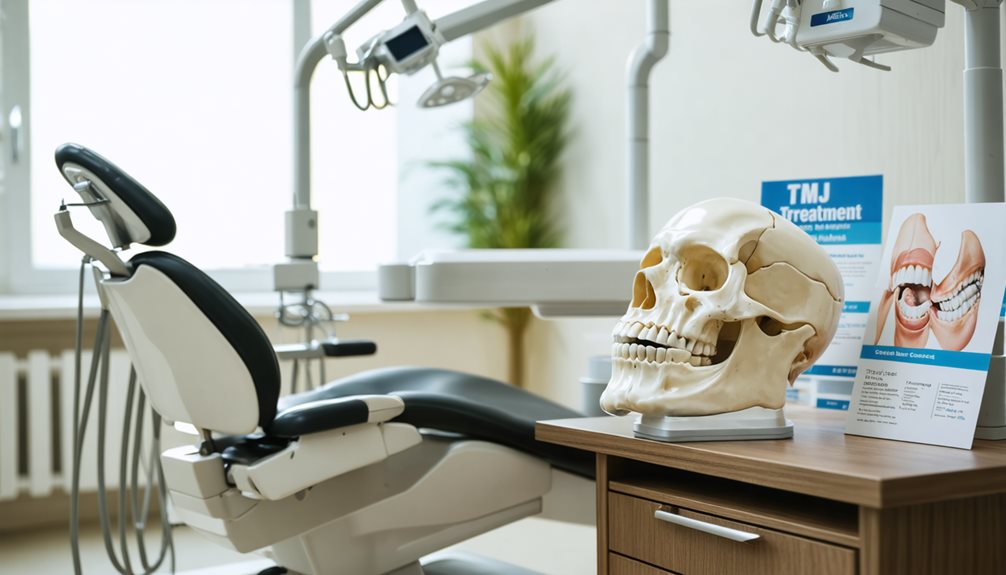
Steering through insurance coverage for TMJ disorder treatments can be a bit of a maze, but understanding your options is vital. You might find that your medical plan covers evaluations, physical therapy, and medications, while your dental insurance could handle bite guards or orthodontics. But what about more complex procedures like surgery? Before you proceed, it’s important to grasp the nuances of your specific policy and discuss potential options with your insurer. Are you fully aware of what your plan offers, or is there more to uncover in your journey to effective TMJ treatment?
Medical and Dental Evaluations
In addressing TMJ disorder, a thorough medical and dental evaluation is an essential initial step. You need to understand that this evaluation is not just a formality; it’s fundamental for developing an effective treatment plan tailored to your needs. Your healthcare professional will conduct a detailed analysis of your medical history, including any previous jaw injuries or conditions. They’ll also perform an extensive dental examination to assess your bite and the function of your jaw joints.
Diagnostic imaging plays an important role in this process. Techniques such as X-rays, MRI, or CT scans provide detailed views of the bones, muscles, and soft tissues in your jaw area. These images help your healthcare provider pinpoint the exact causes of your symptoms, whether they stem from structural abnormalities or inflammation. This information is indispensable for precise treatment planning.
With the insights gained from your evaluation and diagnostic imaging, your healthcare provider can craft a treatment plan that addresses your specific condition. This plan may include a range of options, from medication to behavioral strategies, ensuring you regain control over your symptoms. By taking these initial steps, you’re setting the foundation for a more targeted and effective TMJ disorder management strategy.
Physical Therapy and Exercises
After completing an extensive medical and dental evaluation, engaging in physical therapy and exercises becomes a pivotal step in managing TMJ disorder. You’ll find that incorporating specific jaw exercises and physical modalities can markedly enhance your recovery and control over symptoms. These therapeutic strategies are designed to improve jaw function, reduce pain, and prevent further complications. Here’s a structured approach to help you regain control:
- Jaw Exercises: Regularly practicing simple exercises, such as gentle jaw stretching and controlled opening and closing, can strengthen your muscles and improve joint mobility. Consistency is key to maximizing benefits.
- Physical Modalities: Techniques like ultrasound therapy, heat and cold applications, and electrical stimulation are essential components of physical therapy. They help in reducing inflammation and alleviating pain, providing a sense of relief.
- Posture Correction: Poor posture can exacerbate TMJ symptoms. Incorporating exercises that focus on neck and shoulder alignment can ease strain on your jaw, promoting a holistic approach to symptom management.
Surgical Interventions and Procedures
Maneuvering the complexities of TMJ disorder sometimes leads to the necessity of surgical interventions and procedures. When conservative treatments don’t provide relief, you may consider surgical options. Understanding these procedures empowers you to make informed decisions for managing your condition. Jaw surgery, or arthroplasty, involves correcting structural issues within the joint. This procedure can realign the jaw, remove damaged tissue, or repair ligaments, potentially restoring function and reducing pain. It’s vital to consult with a qualified oral and maxillofacial surgeon to evaluate whether this is the right path for you.
Another option is arthroscopic procedures, which are minimally invasive. They use a small camera and instruments inserted through tiny incisions to diagnose and treat TMJ problems. These procedures can help remove scar tissue, reposition discs, or lavage the joint—flushing out inflammatory substances. While less invasive, they still require careful consideration and discussion with your healthcare provider about risks and benefits.
Insurance coverage for these surgical interventions varies, so it’s important to review your policy and discuss options with your insurer. By thoroughly understanding these surgical possibilities, you maintain control over the choice of treatment that aligns with your healthcare needs.
Frequently Asked Questions
Does Insurance Cover Alternative Treatments Like Acupuncture for TMJ Disorder?
When considering acupuncture benefits for TMJ disorder, you should check if your insurance covers alternative therapies. Coverage varies, so review your plan details and consult with your provider to guarantee you make informed decisions about your treatment.
What Are the Common Exclusions in TMJ Disorder Insurance Coverage?
You might encounter exclusion criteria like cosmetic procedures or experimental treatments in your TMJ disorder insurance. Watch for coverage loopholes in your policy that could deny benefits, ensuring you understand what’s explicitly included or excluded.
How Can I Check if My Insurance Plan Covers TMJ Treatments?
To check if your insurance plan covers TMJ treatments, conduct insurance verification by reviewing your policy documents. Utilize coverage resources like customer service or your insurer’s website to guarantee you’re informed and in control of your options.
Are There Limitations on the Number of Covered TMJ Treatment Sessions?
You’ll want to review your insurance policy’s session limits and coverage policies. These details will specify any restrictions on the number of TMJ treatment sessions covered, ensuring you maintain control over your treatment plan and costs.
Will Pre-Existing TMJ Conditions Affect My Insurance Coverage?
You’re likely concerned about insurance policies and pre-existing conditions. Many insurance plans may limit coverage for TMJ disorder if it’s pre-existing. Review your policy’s details and consult with your provider to understand your specific coverage options.

