
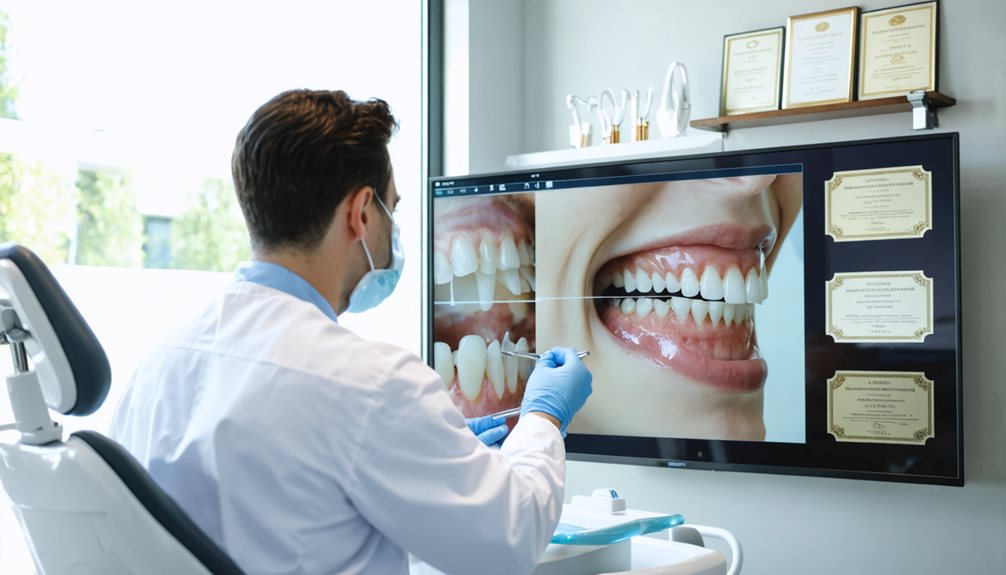
When you’re seeking relief from TMJ disorders, finding the right dentist can make all the difference. You’re likely curious about what sets the top TMJ disorder dentists apart from the rest. These specialists offer not just a diagnosis but a thorough approach tailored to your unique needs. They employ cutting-edge technologies and innovative treatments that can transform your daily comfort and well-being. But how can you identify these professionals, and what specific qualities should you look for in their practice? Let’s explore the key traits that distinguish the best from the average.
Expert TMJ Care Providers
When you’re seeking relief from TMJ disorder, finding the right expert care provider can make all the difference. Maneuvering through the myriad of TMJ symptoms like jaw pain, headaches, and difficulty chewing can be overwhelming. An expert TMJ care provider not only understands these symptoms but also offers a strategic approach to managing them. You’ll want someone who prioritizes your comfort and understands the complexity of your condition.
Expert TMJ care providers assess your unique symptoms and tailor treatment options to suit your needs. These options might include physical therapy, dental splints, or even more advanced interventions like Botox injections. The goal is to alleviate pain and improve function, giving you the control you crave over your health. They’ll guide you through the process, ensuring you understand each option and its potential impact.
Leading TMJ Treatment Specialists
With a wealth of experience and specialized skills, leading TMJ treatment specialists stand at the forefront of managing this complex disorder. They know that accurate TMJ diagnosis methods are essential to designing effective treatment plans. You’ll find that these specialists employ cutting-edge diagnostic tools, such as MRI and CT scans, to examine jaw structures meticulously. They also utilize jaw tracking and electromyography to assess muscle activity and joint function. These tools empower them to pinpoint the root cause of your discomfort with precision.
Once a thorough diagnosis is made, TMJ treatment options are tailored to your specific needs. Specialists typically offer a range of solutions, from conservative therapies like physical therapy and oral appliances to more advanced interventions like arthrocentesis or even surgery when necessary. You’re not left in the dark; they’ll explain the benefits and potential risks of each option, allowing you to make informed decisions about your care.
Renowned TMJ Dental Experts
Recognized for their exceptional expertise and commitment, renowned TMJ dental experts are pivotal in transforming how patients experience relief from this debilitating condition. They address TMJ symptoms through a range of innovative treatment options, ensuring you regain control over your health. These experts possess a deep understanding of the jaw’s intricacies and the complex nature of TMJ disorders.
When seeking such expertise, consider the following hallmarks of renowned TMJ dental experts:
- Comprehensive Diagnosis: They utilize state-of-the-art diagnostic tools to accurately assess TMJ symptoms, ensuring every aspect of your condition is addressed.
- Personalized Treatment Plans: With an array of treatment options, from physical therapy to advanced surgical procedures, these experts craft customized plans tailored to your specific needs.
- Ongoing Support and Education: Beyond treatment, they offer continuous support, educating you on managing symptoms and preventing future flare-ups.
Frequently Asked Questions
What Are Common Symptoms Indicating I Might Have a TMJ Disorder?
If you’re wondering about TMJ disorder, watch for jaw clicking, facial pain, headaches, or difficulty chewing. These symptoms suggest TMJ issues. Identifying them early gives you control over your treatment options and helps manage discomfort effectively.
How Can Stress Contribute to the Development of TMJ Disorders?
Stress can make you clench your jaw, increasing tension on your TMJ. Emotional triggers heighten this response, leading to pain. Practicing stress management techniques helps you control these reactions and can reduce TMJ disorder symptoms.
Are There Any Self-Care Practices to Help Manage TMJ Pain?
You can manage TMJ pain with self-care practices like heat therapy and jaw exercises. Applying warmth relaxes muscles, while specific exercises improve jaw mobility. By consistently practicing these techniques, you regain control over your discomfort effectively.
Can TMJ Disorders Be Linked to Other Medical Conditions?
You might not know, but TMJ connections often show medical implications with conditions like migraines, fibromyalgia, or sleep apnea. Understanding these links lets you manage symptoms better, giving you greater control over your health and treatment path.
How Does Diet Impact TMJ Disorder Symptoms?
Dietary changes can greatly impact TMJ disorder symptoms. You should focus on incorporating soft foods to reduce jaw strain. By avoiding hard or chewy items, you’re actively managing discomfort and gaining control over your jaw health.

